


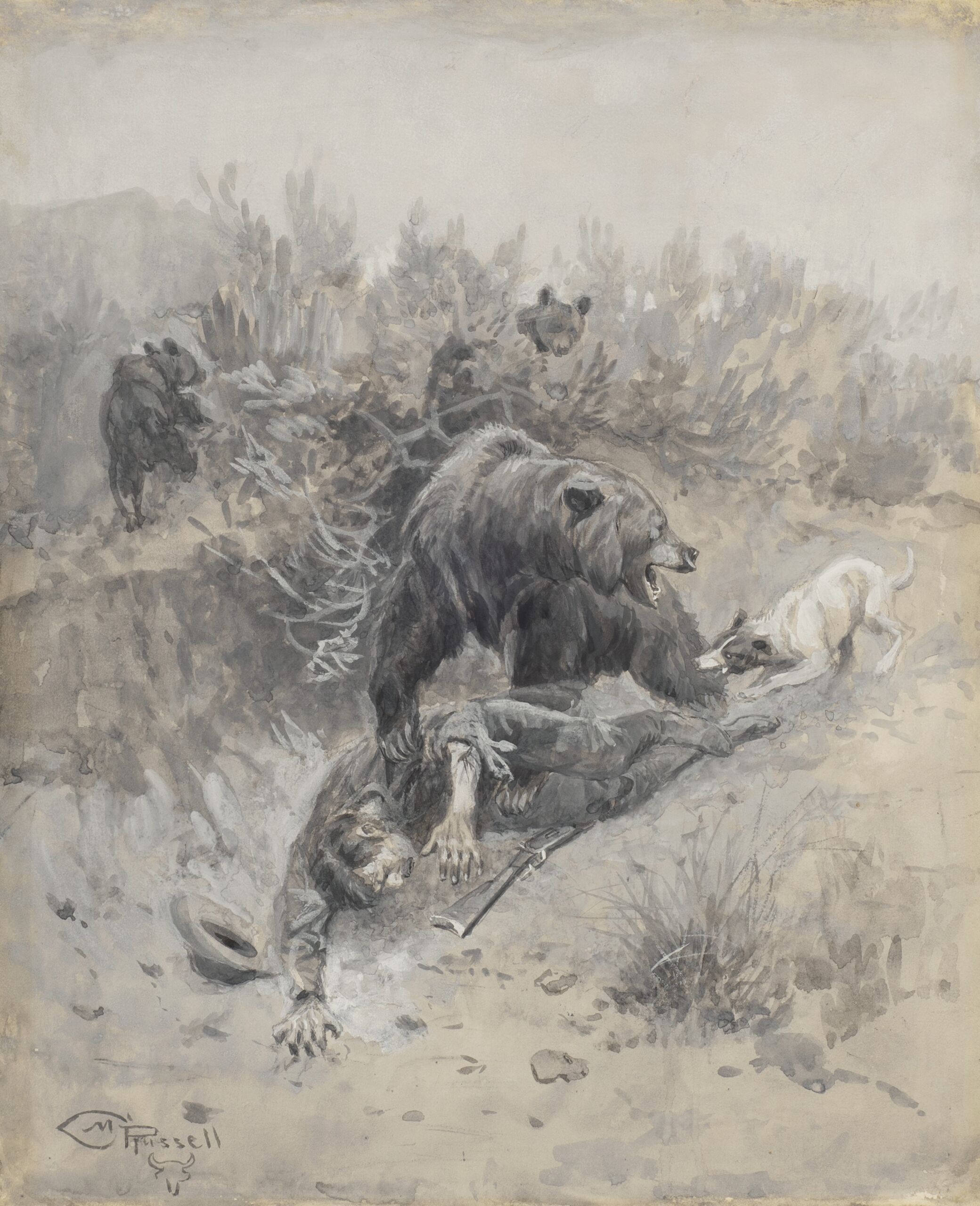
This past season, we’ve explored how Charles M. Russell found creative refuge each summer in Glacier National Park, and how writers like Mary Roberts Rinehart helped shape the early mythology of the park experience. We’ve even encountered grizzlies looming large in Russell’s dramatic canvases.
But what about the people tasked with protecting the very landscapes that inspired Charlie?
To understand that story, it helps to step behind the scenery into the lived reality of the National Park Service and into the pages of Andrea Lankford’s memoir, Ranger Confidential: Living, Working, and Dying in the National Parks.
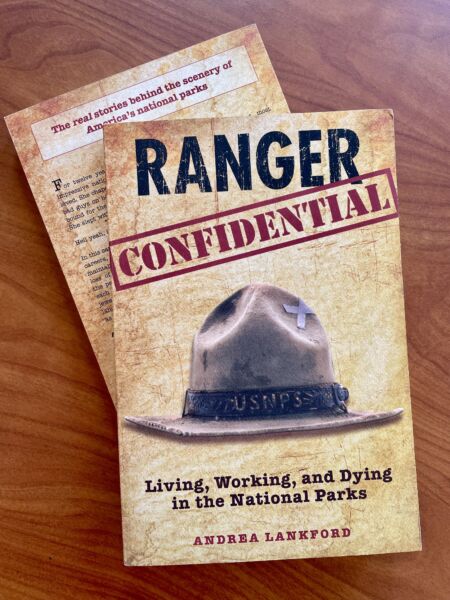
Americans love their national parks. We love the vistas, the wildlife sightings, the feeling of standing somewhere vast and timeless. In Russell’s paintings, Glacier appears as dramatic stage and sacred refuge: towering peaks, luminous lakes, wildlife poised in alpine stillness.
But as Lankford reveals, the national park is not just a postcard. It is a workplace. In Ranger Confidential, she chronicles her years as a law enforcement ranger. She responds not only to lost hikers and wildlife encounters, but to drug busts, violent crimes, suicides, and tragic accidents. The job demands physical stamina, emotional resilience, and constant negotiation between idealism and reality. The wilderness may feel untouched. It is anything but unmanaged.
Those drawn to park service careers often arrive fueled by purpose. They want to protect beauty. To serve the public. To preserve history and habitat for future generations. Yet, as many park employees will attest, that mission exists within a complex web of regulations, funding limitations, environmental compliance laws, and public expectations. The romance of the ranger hat meets the reality of paperwork, resource constraints, and difficult decisions.
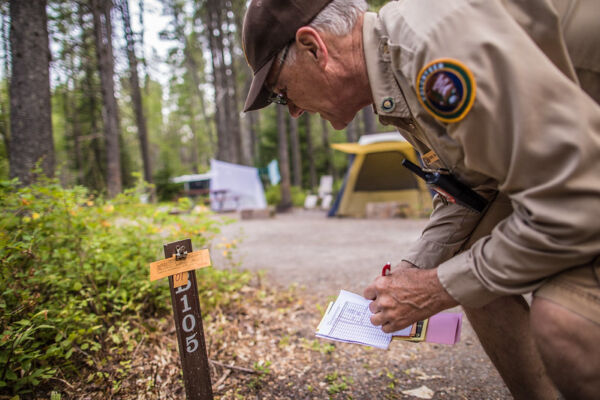
Image from Glacier National Park Flickr
It’s a tension familiar to museums as well. At the Sid Richardson Museum, visitors may first be drawn to the drama of Russell’s bear hunts or mountain vistas. But behind every exhibition—like Russell’s Retreat: Summers at Glacier National Park—is months of research, interpretation, and logistical coordination. What appears effortless on the wall is sustained by unseen labor. The same is true in Glacier.
Russell painted Glacier’s grizzlies as ever-present adversaries and white-tailed deer as quiet companions along Lake McDonald. But as Lankford’s memoir underscores, wildlife management is a delicate, evolving practice. Today’s carefully worded signage, bear-proof containers, and backcountry permits are the product of hard lessons and institutional growth. The park that Russell experienced—horseback travel, rustic cabins, informal wildlife encounters—has transformed. Not because the magic disappeared, but because stewardship requires adaptation.

Image from the National Park Service – Glacier National Park
One of the most powerful threads in Lankford’s writing is transparency. She pulls back the curtain on what it truly means to live and work in the parks. The public often sees only sunsets and summit photos. Rangers see search-and-rescue operations at midnight and the weight of enforcing federal law in remote terrain. That gap between perception and practice matters.
In our earlier blog posts, we considered how national parks were shaped by cultural narratives and policy decisions. We’ve asked how Glacier was imagined into being, and how artists like Russell helped define its mystique. Lankford’s work reminds us that preservation is not static. It is ongoing, sometimes messy, and deeply human. Glacier is not frozen in 1906, when Russell first summered at Bull Head Lodge. It did not freeze in 1910, when it became a national park. It is a living system, ecological and institutional.
The National Park Service now oversees more than 400 sites across the country, balancing natural preservation with historic interpretation, community partnerships, and evolving public expectations. Rangers, historians, biologists, and educators work daily to sustain places that millions cherish. Just as Russell’s paintings invite us to look closely at a deer stepping through undergrowth or a grizzly poised behind a boulder, Lankford invites us to look closely at the people behind the badge. To recognize that every trail maintained, every wildlife regulation enforced, every historic site interpreted is part of a living legacy. When you stand before a Russell landscape in our galleries, you are seeing more than a mountain scene. You are seeing a place that continues to demand care, courage, and commitment.
Leave A Comment