


The image is instantly recognizable: a lone figure stands in the middle of a dusty street, hand hovering near the holster, eyes fixed on a shadowy opponent. The silence stretches. A gun is drawn. A legend is born.
We’ve seen this moment play out countless times on screen, in books, and in paintings. The gunfighter has become a fixture of American mythology, equal parts outlaw and hero, lawman and vigilante. But how did this figure come to define the West? And where do the boundaries lie between history, art, and invention?
At the Sid Richardson Museum, our current exhibition The Cinematic West: The Art That Made the Movies invites visitors to explore the powerful role that artists like Frederic Remington, Charles M. Russell, and their contemporaries played in shaping the visual language of the West. Their work didn’t just reflect a moment in time. It helped invent the look and feel of the Western genre long before cameras rolled in Hollywood.
But before film took the reins, there were dime novels.
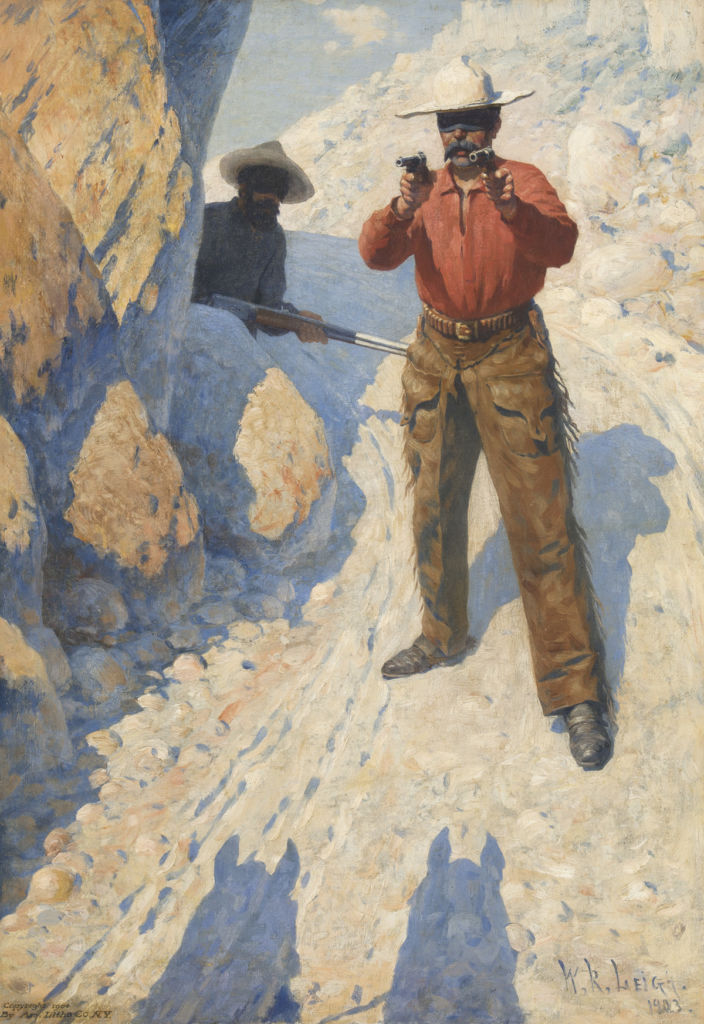
William R. Leigh | The Hold Up (The Ambush) | 1903 | Oil on canvas | 32 3/4 x 22 3/4 inches
In the late 19th century, dime novels exploded in popularity. Cheap, accessible, and sensational, these pocket-sized paperbacks offered fast-paced tales of adventure and danger, often set in a fictionalized West. Figures like “Deadwood Dick” and “Buffalo Bill” leapt from the pages, merging real individuals with exaggerated feats. Gunfighters were portrayed not as complex people but as caricatures of bravery, skill, and justice.
These early publications blurred the lines between fact and fantasy, establishing tropes that would ripple through American culture: the noble lawman, the ruthless outlaw, the duel at high noon.
At the same time, Remington, Russell, and their contemporaries were painting their own visions of the West: scenes of horsemen in mid-charge, tense standoffs, and rugged landscapes teeming with tension. Though both artists spent time in the American West, they also tapped into the same dramatic storytelling that fueled the dime novels.
Their images became iconic, not just for their artistry, but for their narrative power. These artworks helped to shape the emerging identity of the West, not as a specific geography or moment in history, but as a symbol of American character: individualism, grit, and moral clarity.
And Hollywood was watching.
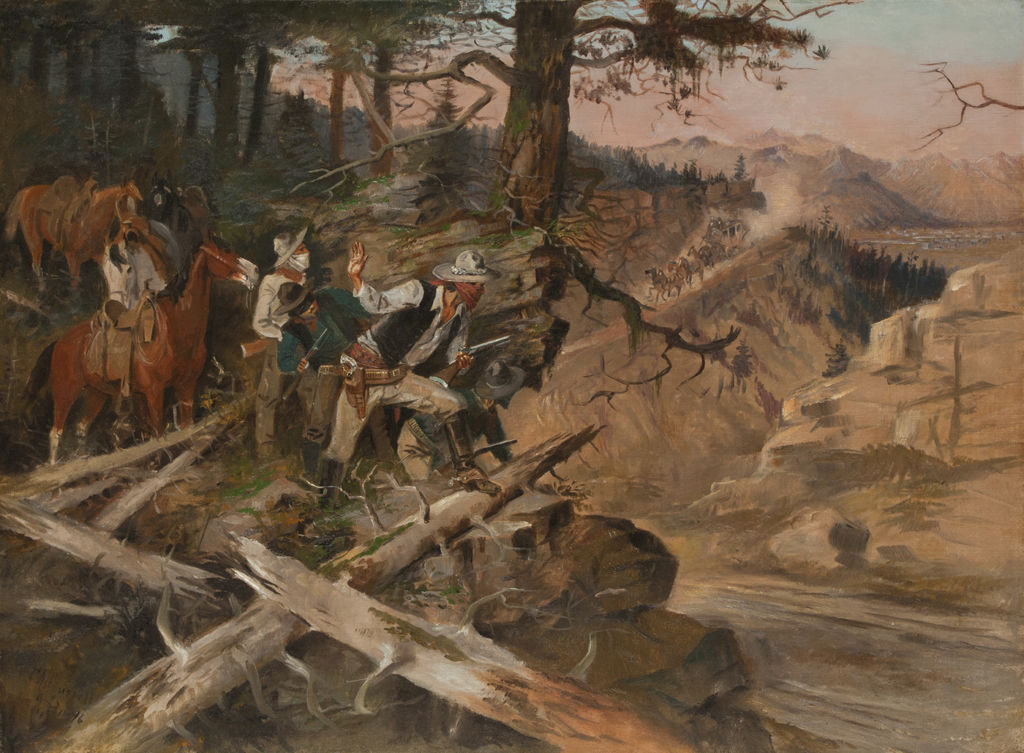
Charles M. Russell | The Ambush (The Road Agents) | 1896 | Oil on canvas | 26.25 x 35 inches
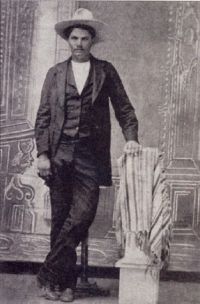
John Wesley Hardin
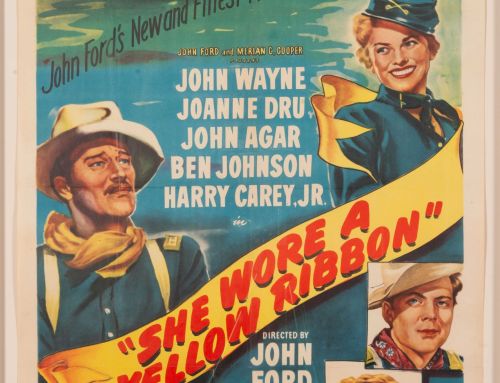
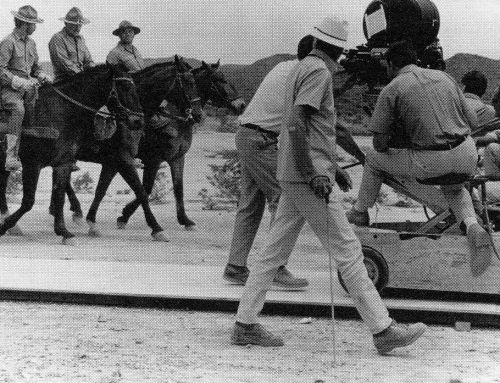
As the film industry blossomed in the early 20th century, the Western quickly became one of its most iconic genres. Directors like John Ford drew heavily on the visual language established by Remington and Russell: those sweeping landscapes, tense standoffs, and lone riders silhouetted against the horizon. This imagery was perfect for cinema, reinforcing timeless themes of rugged individualism, justice, and frontier freedom.
But beneath these dramatic portrayals lies a much grittier and more complex reality, one that historian Bryan Burrough explores in his 2025 book, The Gunfighters: How Texas Made the West Wild. Burrough’s research challenges the popular myths generated by dime novels that Hollywood embraced, revealing that many of the gunfighters immortalized in stories and films were far from noble heroes.
Similarly, figures like Clay Allison and Ben Thompson were veterans who brought war’s brutal lessons into chaotic frontier towns. Their reputations as gunfighters are sometimes romanticized, but Burrough highlights that much of their violence was reactive and rooted in trauma, grudges, and a volatile social environment.
These men lived in a world where gunfights were rarely clean affairs. Rather than scripted duels, shootings often erupted from ambushes, bar fights, and cycles of revenge. Firearms were tools of power and survival in a lawless landscape, not props in a noble drama.
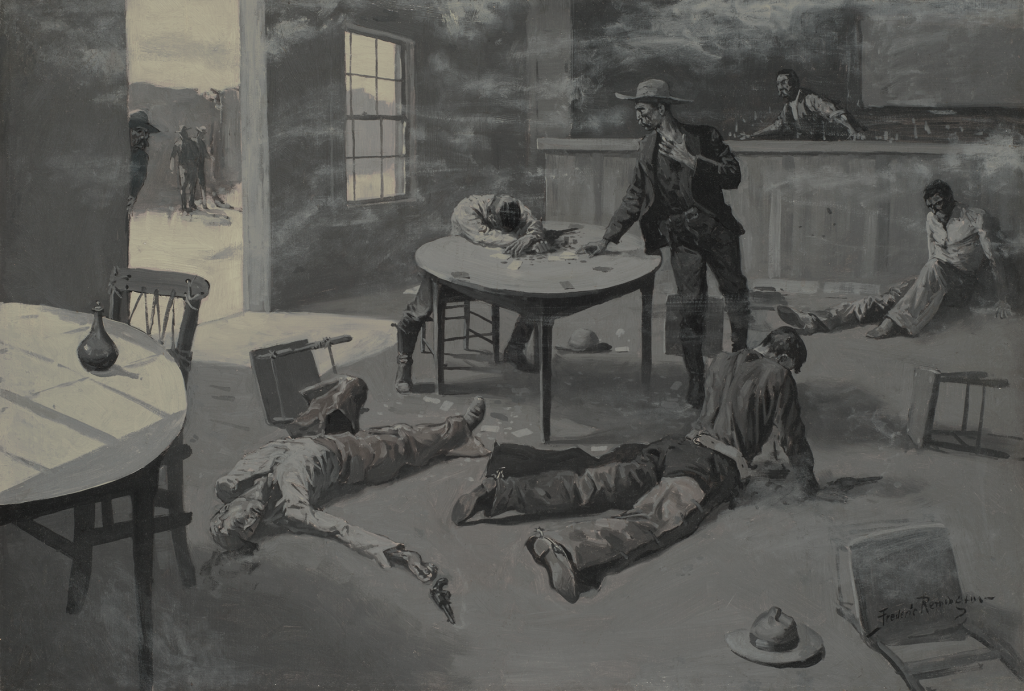
Frederic Remington, A Misdeal, ca.1897, Oil on canvas, Private Collection
This violent landscape didn’t emerge by accident. It was shaped by a broader social reality that defined the American West in the decades after the Civil War—a reality far removed from Hollywood’s version of honor-bound duels and heroic last stands.
Southern honor codes after the Civil War combined with the instability of the frontier to create a volatile social environment. A slight insult or perceived disrespect could lead to deadly outcomes. In this culture, even minor insults or perceived slights could escalate making violence a normalized part of daily life.
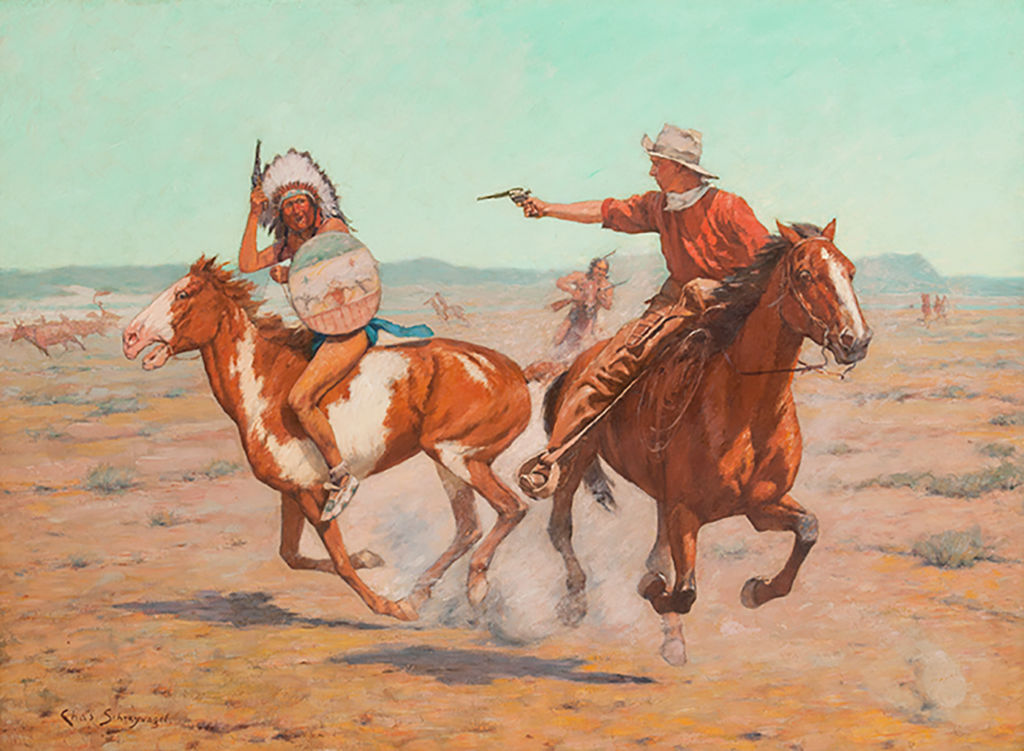
Charles Schreyvogel, Attack on the Herd [Close Call], ca.1907, Oil on canvas, 26 1/8 inches x 34 1/4 inches
This historical perspective complicates the cinematic gunfighter we see in Westerns and invites us to reconsider the narratives conveyed through art and film. While Hollywood and artists like Remington and Russell crafted compelling stories of heroism and moral clarity, the historical record shows a West shaped by violence, social conflict, and complex human experiences. Real history doesn’t always fit the frame.
Leave A Comment